Our story
A working ranch in the Blue Mountains since 1873.
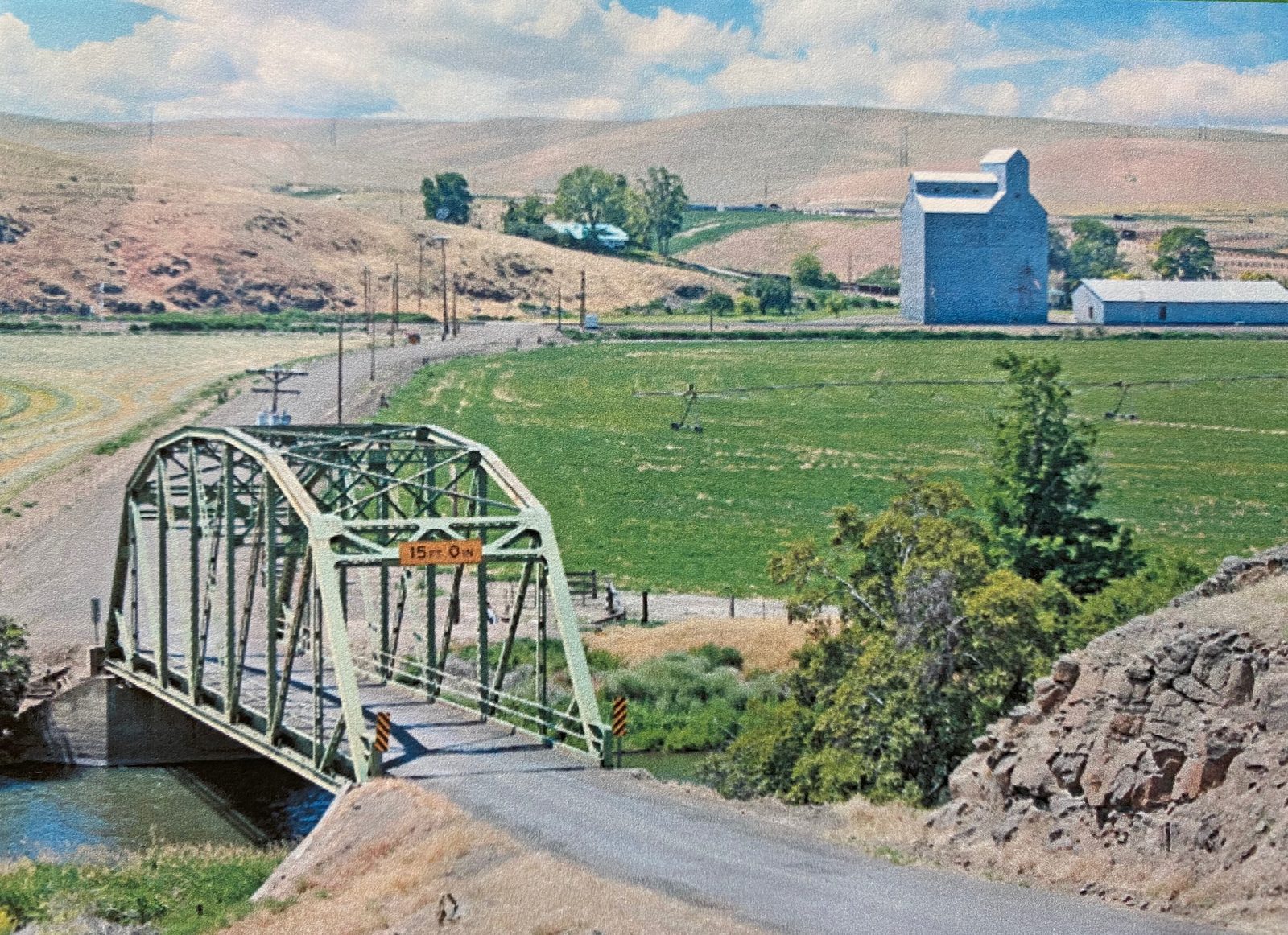
The ranch began with one flock of sheep and a home place on Butter Creek, and has run sheep on the same country for more than 150 years. It has changed hands three times and has been held by one family since 1932.
1869
A young Irish immigrant, wounded at 18 aboard a Navy ironclad at Mobile Bay, comes to Umatilla County and herds sheep for one of the leading wool growers, saving his wages.
1873
He buys his first flock in partnership with a Pendleton man. The ranch counts its beginning from here.
1877
He buys the home ranch on Butter Creek and adds ground along Butter and Birch creeks, south of Pilot Rock.
1880s
He imports purebred rams and buys a celebrated band descended from Vermont stock. By 1894 the ranch runs 20,000 sheep, 4,000 of them purebred, and sells rams to Oregon, Washington, Idaho and California.
1903
Seven thousand sheep go east in 25 rail cars, reported as the first shipment of its size from an Oregon wool grower.
1905
The ranch is sold to a group of sheepmen and incorporated, in what the local paper called the biggest ranch deal in the history of Eastern Oregon.
1926
By the company's own account, it turns down $100,000 for 4,000 breeding ewes to keep the flock in the Northwest.
1930
The ranch sells the State of Oregon the timbered ground along the highway on Battle Mountain. It becomes Battle Mountain Forest State Scenic Corridor.
1932
At the bottom of the Depression the ranch is bought by the family that still runs it, five generations on.
c. 1935
The ranch begins selling its fine wool to an Oregon woolen mill. The mill still buys it, ninety years later.
1942
Twenty thousand ewes produce more than 275,000 pounds of wool a year across 120,000 acres, with eighty people on the payroll.
1960s
Cattle join the sheep. Wheat, timber in the Blue Mountains and, later, guided hunting follow.
1979
A ranch-bred Rambouillet ram sells for $7,200 at the National Ram Sale in Salt Lake City, the highest price paid for the breed in the country at the time.
Today
About 4,000 Rambouillet ewes, 1,200 cow-calf pairs, wheat and timber on more than 150,000 acres of private ground. Hunt Oregon runs the hunting.